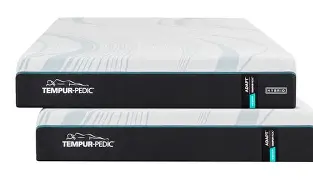
Don't Buy Until You Read This: Saatva Classic vs Tempur Pedic Tempur Adapt
Choosing a mattress is one of the most personal purchases a household can make, yet shoppers are often forced to compare products that feel completely different in construction, comfort, and long-term performance. The Saatva Classic and the Tempur Pedic Tempur-Adapt are two well-known premium mattresses that regularly appear on shortlists, but they serve different types of sleepers and different expectations. One is a luxury innerspring hybrid-style mattress with a more traditional responsive feel, while the other is a dense all-foam memory foam design built around deep contouring and pressure relief.
For buyers trying to decide between them, the real question is not simply which mattress is better. It is which mattress better matches sleeping position, body type, movement preferences, temperature sensitivity, and the feel someone wants night after night. A back sleeper with lower back tension may prioritize lumbar support and easy repositioning. A side sleeper with shoulder pressure may care more about body contouring and motion isolation. Couples often focus on transfer of movement, edge support, and whether one partner’s shifting disturbs the other. Hot sleepers care about airflow and heat retention, while older adults may notice how hard or easy it is to get in and out of bed.
This comparison takes a detailed look at the Saatva Classic and Tempur Pedic Tempur-Adapt in the areas buyers typically care about most: construction, firmness feel, pressure relief, support, cooling, durability, motion control, and value. By the end, readers should have a much clearer idea of which model is likely to feel right in a real bedroom, not just in a showroom or on a spec sheet.
Overview: Two Premium Mattresses With Very Different Personalities
The Saatva Classic is designed to bridge the gap between a traditional innerspring mattress and a modern luxury bed. It uses a coil-on-coil construction with a Euro pillow top and targeted lumbar features. The overall feel is more buoyant, lifted, and responsive than most all-foam competitors. It appeals to shoppers who want hotel-style comfort, stronger edges, and a mattress that is easier to move around on.
The Tempur Pedic Tempur-Adapt, by contrast, leans into the brand’s signature slow-moving memory foam feel. It is built to conform closely to the sleeper’s body, absorb motion, and reduce pressure points. Buyers considering this model are usually looking for cushioning around the shoulders and hips, reduced partner disturbance, and that classic “hug” memory foam enthusiasts often love.
Neither model is an entry-level product, so expectations are high. Buyers at this price point typically expect lasting support, fewer sleep disruptions, and a clear sense that the mattress is solving a comfort problem rather than creating a new one.
Saatva Classic Review
Construction and Feel
The Saatva Classic uses a layered construction that includes a plush Euro top, a support layer of individually responsive coils, and a lower coil base for structure and durability. This gives it a more elevated, spring-forward profile than many hybrid mattresses sold online. Instead of sinking deeply into the bed, most sleepers rest more on top of it.
That distinction matters in everyday use. Combination sleepers, for example, often prefer a mattress that allows easy movement from side to back or back to stomach without feeling trapped. The Saatva Classic’s surface tends to feel more mobile and supportive in this regard. It also has a more familiar mattress feel for those moving away from an older innerspring model and not wanting the dramatic body-hug sensation of memory foam.
Support and Spinal Alignment
Support is one of the Saatva Classic’s biggest selling points. Its coil system provides notable pushback, and the mattress is often appealing to back sleepers and some stomach sleepers who need their midsection kept from dipping too far. The inclusion of lumbar-oriented design elements is especially relevant for shoppers who wake with mild lower back stiffness and suspect their current mattress is sagging or too soft through the center.
For average-weight back sleepers, the Saatva Classic often strikes a useful balance between cushioning and support. Heavier sleepers may also appreciate the more reinforced structure, especially compared with softer all-foam beds that can feel less stable over time. Lighter side sleepers, however, may find some versions of the Saatva Classic firmer than ideal if they need deep cushioning for prominent shoulders and hips.
Pressure Relief
The Euro top adds surface softness, but the Saatva Classic is still not a classic deep-cradle pressure-relief mattress. It relieves pressure better than a basic firm innerspring, yet it generally feels more lifted than enveloping. Side sleepers with joint sensitivity may find it comfortable, but those with pronounced pressure-point issues often prefer the slower contour of memory foam models such as the Tempur-Adapt.
In practical terms, this mattress tends to work best for sleepers who want some cushioning without losing a sense of structure underneath them. Buyers who dislike the sensation of “sinking in” often see that as a major advantage.
Cooling and Temperature Regulation
Because the Saatva Classic uses substantial coil support and more internal airflow than dense foam mattresses, it is often the better fit for hot sleepers. Air can circulate more freely through the mattress, and the overall sleeping position tends to be more on-top-of-the-bed than in-the-bed. That can reduce heat buildup during the night.
For people in warmer climates, those who naturally sleep hot, or couples sharing body heat on a queen-size bed, this can be an important quality-of-life advantage rather than a small bonus feature.
Motion Isolation and Edge Support
Where the Saatva Classic excels in responsiveness and edge stability, it is somewhat less dominant in motion isolation. Coils naturally transmit more movement than dense memory foam. Couples may still find the mattress comfortable, but light sleepers who wake easily when a partner changes position may notice more disturbance than they would on the Tempur-Adapt.
Discover deals on Electronics — updated daily.
See Deals →Edge support, however, is a strong point. The perimeter usually feels more secure for sitting, tying shoes, or sleeping near the edge. This can matter more than many buyers expect, especially for older adults, couples sharing limited sleep space, or anyone who routinely uses the full width of the mattress.
Pros and Cons of the Saatva Classic
- Pros: Strong edge support for sitting and sleeping near the perimeter
- Pros: Responsive surface that makes repositioning easier
- Pros: Better airflow than many dense memory foam mattresses
- Pros: Supportive feel that often suits back sleepers and some stomach sleepers
- Pros: More traditional luxury-mattress feel for buyers who dislike foam hug
- Cons: Motion isolation is not as strong as a high-density memory foam mattress
- Cons: Pressure relief may not be deep enough for some strict side sleepers
- Cons: Bounce may feel too lively for people who want a still, slow-moving surface
- Cons: Premium pricing may feel steep for buyers not specifically seeking a luxury innerspring design
Tempur Pedic Tempur-Adapt Review
Construction and Feel
The Tempur Pedic Tempur-Adapt is centered on the brand’s well-known memory foam approach. Its feel is denser, slower, and more body-conforming than the Saatva Classic. Sleepers usually experience more contour around the shoulders, hips, and lower back, particularly after a few minutes of settling into the bed. Instead of a buoyant floating sensation, the Tempur-Adapt aims for close contact and pressure distribution.
This is the kind of mattress many shoppers imagine when they think of premium memory foam. It absorbs movement well, softens pressure points, and creates a quieter, more stable sleep surface. It is especially appealing to buyers who have tried spring mattresses and felt too much pushback or pressure under sensitive joints.
Pressure Relief and Body Contouring
Pressure relief is where the Tempur-Adapt makes its strongest case. Side sleepers often need a mattress that allows the shoulder and hip to compress into the surface enough to avoid numbness or soreness. Memory foam’s ability to spread weight and reduce sharp pressure concentration can be genuinely helpful in these situations.
This also matters for people with chronic aches, lighter joint discomfort, or sleepers who spend long periods in one position. In real-world use, the Tempur-Adapt often feels more forgiving than the Saatva Classic for those who wake up with shoulder tenderness or hip pressure from firmer beds.
Motion Isolation for Couples
For couples, the Tempur-Adapt’s ability to isolate movement is one of its strongest everyday benefits. When one partner gets in and out of bed, turns over, or shifts repeatedly, the foam absorbs a greater share of that motion rather than transferring it across the surface. That can make a noticeable difference for households where one person is a restless sleeper and the other is easily disturbed.
Parents of young children, shift workers, and anyone with a fragmented sleep schedule often care less about showroom comfort and more about whether they can stay asleep through small disturbances. In those cases, the Tempur-Adapt has a practical edge.
Support and Ease of Movement
The Tempur-Adapt can still be supportive, but it delivers support differently. Instead of pushing the body upward the way coils often do, it supports by conforming and distributing weight. Some sleepers love this. Others feel it takes more effort to move across the surface or change positions. Combination sleepers and some stomach sleepers may find the slower response less convenient, especially if they prefer a mattress that feels quick and springy.
That slower adaptability can also be a mixed experience for older adults or anyone with mobility concerns. If a sleeper wants a bed that is easy to get out of and does not feel like it is gently holding them in place, the Saatva Classic may be the more practical choice.
Cooling and Temperature Concerns
Dense foam mattresses often raise concerns about heat retention, and that remains a legitimate issue for some shoppers. While premium foam brands work to improve thermal performance, memory foam generally does not breathe like a coil-based mattress. The Tempur-Adapt may sleep comfortable enough for many people, but those who already know they overheat at night should think carefully before choosing a deep-contouring foam bed over a more ventilated innerspring design.
This is especially relevant for couples, larger-bodied sleepers, and people living in humid or warm regions where temperature management can influence sleep quality night after night.
Pros and Cons of the Tempur Pedic Tempur-Adapt
- Pros: Excellent motion isolation for couples and light sleepers
- Pros: Strong pressure relief around shoulders and hips
- Pros: Deep contouring memory foam feel preferred by many side sleepers
- Pros: Quiet, stable sleep surface with less bounce
- Pros: Premium brand reputation in the memory foam category
- Cons: May retain more heat than a coil-based mattress
- Cons: Slower response can make repositioning harder
- Cons: Edge support may feel less sturdy than a strong innerspring design
- Cons: Less ideal for shoppers who dislike sinking or body-hug sensations
Saatva Classic vs Tempur Pedic Tempur-Adapt: Side-by-Side Comparison
| Category | Saatva Classic | Tempur Pedic Tempur-Adapt |
|---|---|---|
| Mattress Type | Luxury innerspring / coil-based design with Euro top | Memory foam mattress with deep contouring feel |
| Overall Feel | Responsive, buoyant, more traditional | Dense, slow-moving, body-hugging |
| Best For | Back sleepers, combination sleepers, hot sleepers, shoppers wanting edge support | Side sleepers, couples, light sleepers, shoppers wanting pressure relief |
| Pressure Relief | Good, but more surface-level cushioning | Excellent, especially around shoulders and hips |
| Motion Isolation | Moderate | Excellent |
| Edge Support | Strong | Usually less supportive than Saatva at the perimeter |
| Cooling Potential | Better airflow and generally cooler sleep | Can sleep warmer due to dense foam construction |
| Ease of Movement | Easy to reposition | More effort required for some sleepers |
| Partner Disturbance | Some motion transfer possible | Better at absorbing movement |
| Ideal Buyer Mindset | Wants support, bounce, airflow, and a premium traditional feel | Wants contouring, quiet comfort, and reduced pressure points |
Which Mattress Is Better for Different Types of Sleepers?
For Back Sleepers
Many back sleepers will likely prefer the Saatva Classic, especially if they want strong lumbar support and a mattress that keeps the torso from sinking too deeply. Its structure tends to maintain a flatter, more elevated posture. The Tempur-Adapt can still work for back sleepers who enjoy memory foam contouring, but those wanting a firmer, more lifted feel may lean toward Saatva.
For Side Sleepers
Side sleepers often place a premium on pressure relief, and this is where the Tempur-Adapt frequently has the advantage. The closer contouring can better cushion shoulders and hips, particularly for sleepers who spend most of the night in one position. The Saatva Classic may still work well for side sleepers who prefer a more supportive, less enveloping bed, but it is generally the less pressure-focused option.
For Stomach Sleepers
Stomach sleepers usually need support that prevents the midsection from bowing downward. In many cases, the Saatva Classic is the safer fit because of its more supportive, responsive build. The Tempur-Adapt may feel too conforming for some stomach sleepers, particularly those who are heavier through the torso.
For Couples
The choice depends on the couple’s biggest complaint. If one partner wakes up every time the other moves, the Tempur-Adapt’s motion isolation is likely more valuable. If the couple wants stronger edges, easier movement, and better cooling, the Saatva Classic may be the better shared mattress.
Shop the latest Electronics picks on Amazon.
Browse Now →For Hot Sleepers
The Saatva Classic is generally the stronger candidate for hot sleepers. Its coil construction and less sink-heavy feel support better airflow. Buyers who already know they sleep warm should take that seriously, because even a small difference in heat retention can become a nightly issue over months and years.
For Older Adults or Anyone Concerned About Mobility
The Saatva Classic often feels easier to get in and out of because of its responsive support and stronger edge stability. The Tempur-Adapt’s contouring can be comfortable, but some sleepers may feel it takes more effort to change positions or rise from the bed.
Buying Guide: What Shoppers Should Consider Before Choosing
Before selecting either mattress, buyers should think beyond marketing language and focus on their own sleep patterns. A mattress can be technically high quality and still be a poor match if its feel does not align with the sleeper’s needs.
1. Preferred Feel: On the Bed or In the Bed
This is often the deciding factor. Buyers who want to feel supported on top of the mattress, with bounce and easier movement, are usually better served by the Saatva Classic. Buyers who want to feel cradled by the mattress, with slower response and deeper contouring, are usually better served by the Tempur-Adapt.
2. Primary Sleep Position
Back and stomach sleepers frequently do better with the Saatva Classic’s stronger pushback. Side sleepers often prefer the Tempur-Adapt’s pressure relief. Combination sleepers should also consider how often they move during the night, since memory foam can feel restrictive for frequent position changes.
3. Heat Sensitivity
If the sleeper already runs warm, choosing a more breathable mattress may prevent long-term regret. Cooling accessories can help, but they rarely fully override the underlying nature of a mattress. Coil-based designs still tend to hold an advantage here.
4. Partner Disturbance
Couples should think honestly about whether motion transfer is a problem in their current setup. If one partner is often awakened by movement, the Tempur-Adapt deserves serious consideration. If that is not a major issue, the Saatva’s edge support and mobility may be more useful overall.
5. Ease of Daily Use
Practical details matter. How easy is it to rotate positions, sit on the edge, get out of bed, or use the whole surface? The Saatva Classic tends to perform better in those routine, day-to-day interactions. The Tempur-Adapt tends to win when pure pressure relief and stillness are the top priorities.
6. Long-Term Comfort Expectations
Shoppers should ask whether they are replacing a mattress because it was too firm, too bouncy, too warm, too soft, or too motion-transferring. The answer usually points clearly toward one model. Someone escaping a hard, pressure-heavy spring mattress may welcome the Tempur-Adapt. Someone frustrated by an overly soft foam bed may appreciate the support and lift of the Saatva Classic.
Final Verdict
The Saatva Classic and Tempur Pedic Tempur-Adapt are both premium mattresses, but they are not interchangeable. The Saatva Classic is typically the better fit for shoppers who want responsive support, stronger edges, easier movement, and a cooler, more traditional luxury feel. It makes the most sense for back sleepers, many stomach sleepers, hot sleepers, and anyone who dislikes the slow sink of memory foam.
The Tempur Pedic Tempur-Adapt is usually the better choice for shoppers who want deep contouring, better motion isolation, and stronger pressure relief around the shoulders and hips. It stands out for side sleepers, couples sensitive to movement, and buyers who genuinely enjoy the dense, body-conforming feel that memory foam can provide.
For most undecided buyers, the smartest approach is to identify the single biggest sleep problem they want the next mattress to solve. If that problem is overheating, weak edges, or difficulty moving, the Saatva Classic is likely the better answer. If that problem is pressure points, partner motion, or the need for a quieter, more cushioned surface, the Tempur-Adapt is likely the stronger match.

In short, the better mattress is not the one with the louder reputation. It is the one that fits the sleeper’s body, habits, and nightly comfort priorities with fewer compromises.