The Truth About the G Pro X Gaming Headset: Pros, Cons, and Verdict
Introduction
The G Pro X gaming headset occupies a familiar spot in conversations about competitive gaming audio—frequently recommended, often praised, and sometimes criticized. Built with esports and streaming audiences in mind, this headset promises accurate sound, a broadcast-quality microphone, and a design intended to stay comfortable during long sessions. This article examines the G Pro X in depth, looking at design, sound performance, microphone quality, software features, real-world use cases, and longevity. The goal is to provide a clear, evidence-based verdict for anyone considering this headset for competitive play, streaming, or everyday gaming.
Product Overview
The G Pro X is a mid-to-high-range gaming headset from Logitech’s esports-focused lineup. It is available in a wired configuration (with an external USB DAC option on some bundles) and features interchangeable ear pads, a detachable microphone utilizing voice-processing technology, and compatibility across PC and consoles via 3.5mm or USB connections. The model was designed with input from professional players and includes software tuning through Logitech's G HUB. Its emphasis is on clarity, positional audio, and professional-grade voice capture rather than heavy consumer bass or flashy RGB.
Design and Build Quality
At first glance the G Pro X favors function over flamboyance. The frame is a mixture of metal reinforcement and dense plastic; the headband has a leatherette strap that distributes weight without too much flex. The ear cups are large and rounded, accommodating most ear sizes comfortably. Interchangeable velour and leatherette pads are typically shipped in the box, which helps users choose between more passive noise isolation (leather) and breathability for long sessions (velour).
Build quality is generally solid: hinges feel durable and the detachable cable plus screw-on microphone design reduce stress on soldered components. However, the finishing plastics are not as premium as some boutique headsets; users who frequently travel or toss headsets into bags may prefer a more rugged case. Overall, the G Pro X balances sturdiness with a relatively light weight, aiming to minimize fatigue during multi-hour matches.
Comfort and Fit
Comfort is an area where the G Pro X tends to excel for many users. The headset is moderately light and the headband suspension system reduces pressure points on the skull. The ear cups provide adequate clamping force for stability—enough to stay put during movement without being constrictive. The inclusion of both leatherette and velour pads makes this model flexible for different climates: velour for warmer environments and leatherette for better sound isolation.
That said, fit is personal. Gamers with larger heads may find the clamp tight during the first few uses until materials break in. Glasses wearers generally report acceptable comfort, but prolonged sessions sometimes reveal pressure on temple arms depending on frame thickness and ear pad choice.
Sound Quality: What to Expect
Sound quality is the heart of the G Pro X proposition. It uses well-tuned drivers that emphasize clarity and detail—qualities important for competitive play where footsteps, weapon cues, and subtle environmental sounds matter.
Competitive Gaming
For multiplayer shooters and esports titles, the G Pro X delivers precise imaging and a neutral-to-slightly-warm sound signature. Positional cues are clear, allowing experienced listeners to localize enemy movement and actions. The separation between midrange (voices, gunshots) and high-frequency cues (footsteps, ambient detail) is good, making it easier to prioritize sounds during fast decision-making.
Music and Entertainment
The headset is competent for music and movies but is not tuned for booming, consumer-grade bass. Bass is present and controlled rather than exaggerated, which appeals to listeners seeking accuracy. For cinematic listening the headset reproduces dialogue cleanly, and spatial effects are respectable when combined with software surround processing. Audiophiles who want a pronounced low-end or a particularly lush sound may prefer alternatives with a more consumer-oriented V-shaped signature.
Audio Fidelity and EQ
Using the G HUB software, users can shape the EQ to taste—boosting bass for music or tweaking highs for extra clarity. The hardware alone is geared toward transparent reproduction, which is why many competitive players appreciate it: the headset does not mask important in-game cues with exaggerated coloration.
Microphone Performance
One of the defining features of the G Pro X is its detachable microphone, often bundled with proprietary voice processing branded in partnership with Blue (Blue VO!CE software suite). The microphone provides clear, close-miked tonality and offers several presets and real-time processing options such as noise gate, compression, de-essing, and EQ. For streamers and team communication, this is a meaningful advantage over many stock gaming mics.
Find top-rated Audio & Headphones products at great prices.
See Deals →In real-world use, the microphone captures speech crisply with minimal room tone when properly adjusted. Background noise rejection is good but not perfect—highly noisy environments may still require additional post-processing. The detachable nature is convenient for console players or for those who prefer to use a standalone desktop microphone when streaming.
Software and Features
Logitech’s G HUB is the control center for custom tuning. It allows users to:
- Enable proprietary surround sound or DTS processing (where supported)
- Save EQ presets and switch between profiles
- Fine-tune microphone processing (Blue VO!CE presets)
- Apply firmware updates
The software is reasonably intuitive but some users report occasional stability issues or updates that change UI elements. Still, the core functionality—EQ, profiles, and mic processing—works well and adds significant value, especially for content creators who want consistent vocal presentation without external gear.
Connectivity and Compatibility
The G Pro X is primarily a wired headset with options for USB connection via an included DAC on some bundles and universal 3.5mm for console or mobile compatibility. Wired connectivity minimizes latency and ensures compatibility across PC, PlayStation, Xbox (via controller pass-through), and mobile devices. There are also wireless gaming headsets in the broader product family, but the G Pro X itself focuses on wired performance.
Users who play on multiple platforms will appreciate the simple 3.5mm fallback, while PC users who want immersive processing or the Blue VO!CE features should plan to use the USB DAC and G HUB to access the full feature set.
Durability and Maintenance
The G Pro X is built with replaceable elements in mind—pads, mic, and cable can be swapped out if damaged. The metal headband reinforcement contributes to longevity, while plastic components keep the weight down. For gamers who wear their headset daily, periodic cleaning of ear pads and careful handling of the microphone jack will extend the product's life. Logitech’s support policies and availability of replacement parts vary by region; buyers should verify warranty terms in their area.
Real-World Use Cases
How the G Pro X performs depends on how it is used. Below are common scenarios and how the headset fares:
- Esports and competitive play: Excellent—clear positional audio, low-latency wired connection, and a balanced sound signature favored by professionals.
- Streaming and content creation: Strong—Blue VO!CE helps a broadcaster sound professional without external gear; detachable mic offers flexibility.
- Couch console gaming: Very good—3.5mm compatibility means plug-and-play with consoles, though some advanced PC-only software features will be unavailable.
- Casual music listening: Adequate—detailed and neutral, but not bass-forward for listeners who prioritize heavy low-end.
- Remote meetings and calls: Good—the microphone offers clarity for voice calls, but an external dedicated microphone will still marginally outperform in professional broadcast settings.
Comparison Table
| Model | Type | Microphone | Surround / Processing | Wireless | Notable Strength |
|---|---|---|---|---|---|
| G Pro X | Wired (USB DAC option) | Detachable, Blue VO!CE processing | G HUB stereo + software surround | No (wired) | Professional mic tuning and clear imaging |
| HyperX Cloud II | Wired (USB adapter) | Detachable, solid capsule | Virtual 7.1 via USB | No (wired) | Comfort-focused with plush pads |
| SteelSeries Arctis 7 | Wireless (2.4 GHz) | Retractable ClearCast mic | Dolby/SS software options | Yes (wireless) | Wireless freedom with long battery life |
| Razer BlackShark V2 | Wired (USB DAC option) | Detachable, trinity mic (Razer) | THX Spatial Audio | No (wired) | Competitive-focused tuning and comfort |
Pros & Cons
Pros
- Clear, competitive sound signature: Accurate imaging and midrange clarity help with positional awareness.
- High-quality detachable microphone: Blue VO!CE processing elevates voice clarity and streaming readiness.
- Comfortable for long sessions: Light weight and interchangeable pads reduce fatigue.
- Software flexibility: G HUB allows EQ, surround simulation, and mic presets.
- Replaceable components: Pads, mic, and cable can be swapped, improving longevity.
Cons
- Plastic finishes: Feels less premium in some touch points compared to higher-priced competitors.
- Not wireless (in core model): Users seeking wireless convenience must consider other models.
- Software dependency: Some advanced features require G HUB and USB; console users may not benefit from them fully.
- Bass is controlled, not booming: Those who prefer a heavy bass profile may find the headset conservative.
- Initial clamp stiffness: Some users report a break-in period before optimal comfort.
Buying Guide: Is the G Pro X Right for the Buyer?
When deciding whether the G Pro X fits a particular buyer, consider the following criteria and match them to priorities and budget.
1. Intended Use
If the primary need is competitive gaming—FPS titles, battle royales, or team-based esports—the G Pro X is a strong candidate thanks to its positional clarity. For casual console play or single-player immersion where bass-heavy soundtracks matter more, other headsets might be preferable.
2. Microphone Requirements
Buyers who stream, create content, or regularly participate in team voice chat will appreciate the G Pro X microphone and its processing options. For purely casual voice calls, the microphone is more than adequate; for professional audio production or podcasting, a dedicated condenser or dynamic microphone remains superior.
Shop the latest Audio & Headphones picks on Amazon.
See Deals →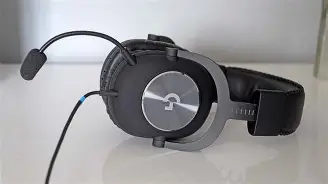
3. Platform Compatibility
Consider whether advanced features are needed on the target platform. The USB DAC and software features require a PC with G HUB. Console-only players who need simple plug-and-play should verify that their console supports 3.5mm mic attachment via controller if they want to use the microphone in-game.
4. Comfort for Session Length
Assess session duration: the G Pro X excels in multi-hour tournaments or streaming marathons when paired with velour pads. Buyers who wear glasses or have very large heads should try the headset if possible to confirm comfort over time.
5. Durability and Serviceability
Replaceable pads and detachable components are significant for longevity. Check warranty terms and regional parts availability if the user expects heavy daily use or travels frequently.
6. Budget and Value
Price varies by bundle (with or without the USB DAC and extra pads). The key value proposition is the microphone quality combined with a competitive sound signature. Buyers who prioritize flashy features like RGB or wireless freedom at the same price point may find alternative headsets with those attributes.
7. Future-Proofing
Consider whether the headset will remain part of the user's setup as streaming and team collaboration needs evolve. The ease of replacing consumables and the ability to use an external mic later can extend the headset's usefulness beyond its initial lifecycle.
Typical Buyer Profiles
It helps to think in terms of buyer archetypes:
- The Esports Competitor: Needs low-latency, accurate audio and a reliable mic. The G Pro X is a strong match.
- The Streamer on a Budget: Wants near-broadcast-quality voice without buying a separate microphone—this headset reduces the need for extra equipment.
- The Console Casual: Desires ease of use and comfort. The 3.5mm compatibility suits this buyer, but not all software features are available.
- The Audiophile Gamer: Prioritizes sound signature and may prefer planar-magnetic or higher-fidelity headphones for music alongside a dedicated microphone.
Conclusion
The G Pro X is a sensible and well-executed headset for players who value clarity, microphone quality, and serviceability over spectacle. It is particularly well-suited to competitive gamers and streamers who need reliable positional audio and a vocal presentation that translates well on streams and in team voice chat. The design choices—controlled bass, transparent mids, software-enabled mic tuning—reflect a clear emphasis on professional use rather than casual, bass-first listening.
There are trade-offs: it is primarily wired, some finishes feel utilitarian, and console users may not get the full software advantage. Those who prioritize wireless convenience, pronounced bass, or absolute audio luxury might look elsewhere. However, for its intended audience, the G Pro X offers an attractive combination of features, comfort, and microphone performance that makes it a compelling option worth serious consideration.