The Ultimate Setup Guide for Your Lg Gram Book
Introduction
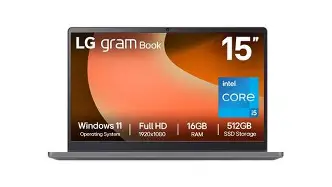
The Lg Gram Book delivers a compelling promise: ultraportable design without the usual compromises in screen size, battery life, or usable performance. Whether the buyer is a frequent traveler, a student balancing note-taking and streaming, a remote worker juggling video calls and spreadsheets, or a creative professional needing a lightweight canvas for on-the-go edits, the Gram line aims to fit into daily life unobtrusively. This guide helps new owners and prospective buyers get the most from an Lg Gram Book by covering a detailed review of the product’s strengths and weaknesses, real-world use cases, a practical comparison of common configurations, a step-by-step setup checklist, and a buying guide that highlights the features most people actually care about.
Product analysis: what the Lg Gram Book gets right (and where it shows limits)
Design and build
The Lg Gram Book is defined by its single-minded focus on lightness. The chassis uses magnesium-alloy and engineering choices that shave grams without entirely giving up structural integrity. In practice this means the device is comfortable to carry for long commutes, fits easily into backpacks or briefcases, and feels less fatiguing for users who hold the laptop on their laps while traveling.
Real-world note: frequent flyers and students often praise the Gram for being the least intrusive laptop in a loaded bag. However, extremely thin, lightweight designs sometimes feel less rigid than thicker business-grade machines; owners who prioritize a slab of steel-like stiffness for heavy desk work might notice some flex.
Display
LG offers the Gram Book with several display sizes and panel types. The focus tends to be on bright, color-accurate IPS options with narrow bezels, which are excellent for productivity, web browsing, and media consumption.
Real-world note: content creators who expect professional-grade color accuracy should still calibrate the panel with a hardware colorimeter. Casual photographers and designers will find the display very usable for editing drafts, while those doing print-accurate color work should factor in professional monitors into their workflow.
Performance
Configurations commonly pair power-efficient Intel or comparable processors with SSD storage and varying RAM capacities. For office productivity, web apps, light photo editing, and multitasking, the Gram typically performs well. It prioritizes sustained, efficient performance rather than aggressive burst performance.
Real-world note: heavy video rendering, 3D rendering, or extended gaming sessions may push the Gram's thermal and power envelope. Users with those workloads should consider a more performance-focused laptop or an external GPU/docking setup for heavier tasks.
Battery life
Long battery life is a headline feature. The Gram Book's capacity and power management deliver extended use throughout a typical workday under mixed workloads. Power efficiency stands out especially for web browsing, document editing, and video playback.
Real-world note: battery experience varies with screen brightness, apps in use, and background tasks. Travelers who need reliable all-day battery life should enable power-saving profiles, reduce screen brightness where feasible, and manage background syncing during flights.
Ports and connectivity
Unlike some ultralights that limit ports, the Gram Book often includes a useful mix: USB-A, USB-C with Power Delivery and DisplayPort alternate mode, HDMI on some models, and a microSD or full-size SD card reader on others. This versatility is valuable for photographers and travelers who do not want to carry dongles for every accessory.
Real-world note: users who rely on multiple external displays or high-speed wired networking may still need a compact docking station. However, the Gram's inclusion of a balanced port set reduces the number of required adapters in day-to-day life.
Keyboard, touchpad and webcam
LG tends to prioritize a comfortable keyboard travel length and a responsive touchpad. For many typists, the keyboard facilitates long sessions with minimal fatigue. Webcam quality is serviceable for video calls but typically not class-leading; owners who frequently present in client-facing calls may consider an external webcam for improved clarity under difficult lighting conditions.
Thermals and noise
Because the Gram Book emphasizes thinness and low weight, thermal management is conservative. The system aims to keep fans quiet during typical tasks and only ramps up under sustained heavy loads. This results in quiet operation for everyday work but potential for thermal throttling under long, CPU/GPU-heavy sessions.
Software and support
The Gram Book ships with a minimal set of utilities for power management and display calibration. Updates and driver support from LG are generally adequate, but it pays to check for the latest vendor drivers and firmware after initial setup.
Discover deals on Laptops & Computers — updated daily.
Shop Amazon →Pros & Cons
- Pros
- Extremely lightweight—easy to carry all day
- Long battery life for typical productivity tasks
- Comfortable keyboard and responsive touchpad
- Generally bright, color-accurate displays suitable for content work
- Useful port selection compared with many ultraportables
- Cons
- Less thermal headroom for sustained heavy workloads
- Structural flex can be noticeable on thinner configurations
- Webcam and speakers are adequate but not premium
- Not the best choice for serious gaming or professional rendering without external help
Comparison table: common Lg Gram Book configurations (illustrative)
| Model | Screen Size | Approx. Weight | Battery Suitability | Best For |
|---|---|---|---|---|
| Gram Book 14 | 14-inch | ~1.0 kg | All-day light productivity and travel | Students, frequent flyers, note-takers |
| Gram Book 16 | 16-inch | ~1.2 kg | Balanced portability with larger screen | Professionals who want more screen real estate |
| Gram Book 17 | 17-inch | ~1.3–1.4 kg | Portable desktop replacement for productivity | Power users needing large displays on the go |
Real-world use cases and buyer priorities
Understanding how a device will be used helps pick the right configuration. Below are common buyer profiles and what they tend to prioritize:
Students and commuters
They value battery life, weight, and a good keyboard. Most students will prioritize SSD capacity and at least 8–16 GB of RAM. A lighter model with a 14-inch or 16-inch display balances portability and screen area for note-taking and light media editing.
Remote workers and road warriors
These users prioritize long battery life, reliable connectivity (Wi-Fi 6/6E), and a comfortable webcam for video conferencing. They often appreciate a model with a full port selection for connecting to conference room projectors or external displays without too many dongles.
Content creators and designers
While the Gram can serve creators for editing, it is most useful for travel-stage workflows—reviewing, organizing, and light edits. For color-critical or heavy-render tasks, creators will likely pair the Gram with an external monitor or a more powerful desktop machine.
Business users and professionals
Security and reliability matter. Business users should check for optional enterprise features, available warranty upgrades, and strong vendor support. A balance of performance for multitasking and thin-and-light portability often wins out.
Step-by-step setup checklist (first 24 hours)
These steps ensure the Gram Book is configured for privacy, performance, and longevity from the start.
- Initial power on and OS setup
Follow the guided setup for the operating system, create a local and/or cloud account, and configure language, keyboard layout, and region.
- Install updates
Connect to the internet and run the OS update utility immediately. Then visit the manufacturer's update tool to apply firmware, BIOS, and driver updates. Up-to-date firmware improves battery life and thermal behavior.
- Create a recovery plan
Enable built-in recovery features or create recovery media. Set up regular backups using cloud syncing or an external drive, and enable versioning for important documents.
- Set power & display preferences
Adjust power profiles to balance performance and battery life. Lower display brightness when appropriate and enable battery saver modes for travel days.
- Calibrate the display
For content creators, use a calibration tool to set accurate color profiles; casual users can rely on factory settings but should at least choose a color temperature they find comfortable.
- Secure the device
Enable full-disk encryption if supported, configure biometric login or a strong password, and install a privacy screen if working in public places is anticipated.
- Install essential apps
Prioritize lightweight productivity apps, cloud sync clients, a good browser, and communication tools. Avoid installing unnecessary background utilities that can drain battery life.
Find top-rated Laptops & Computers products at great prices.
View Offers → - Fine-tune thermal settings
Check the vendor power management utility for fan profiles or silent modes. For critical workloads, adjust settings to prioritize performance, but be mindful of increased heat and potential throttling.
- Test ports and peripherals
Confirm that external monitors, storage devices, and docks work as expected. Update firmware on docks or adapters if available to reduce compatibility issues.
- Set up recovery & cloud sync
Link accounts to trusted cloud storage, configure automatic document sync, and verify restore functionality so important files are safe should the device be lost or damaged.
Buying guide: features to prioritize
When choosing an Lg Gram Book configuration, buyers typically weigh a handful of decisive factors. Here’s how to prioritize them based on different needs.
Processor and performance
For everyday productivity and web apps, an efficient modern processor paired with 8–16 GB of RAM is sufficient. For heavier multitasking or larger datasets, opt for 16 GB or more and a higher-tier CPU. Remember that the Gram emphasizes efficiency, so prioritize sustained efficiency over single-core benchmark numbers if mobility matters.
Memory and storage
RAM directly impacts multitasking. 8 GB is the baseline; 16 GB is a safer minimum for power users. Prefer NVMe SSDs for fast application load times and system responsiveness. If large local libraries are common (video/photo), choose a larger SSD or plan to use external fast storage.
Screen size and resolution
Smaller screens improve portability; larger screens improve productivity. High resolution is beneficial for design work and detailed spreadsheets but consider display scaling for comfortable reading. Touch or pen support can be valuable for creatives or note-takers, if available.
Ports and expansion
Check for at least one USB-C with power and display support, a full-size USB-A for legacy accessories, and an HDMI or card reader if those match the buyer’s workflow. If the device will act as a portable hub, choose a configuration with the most relevant built-in ports to minimize dongles.
Battery life and charging
Test real-world battery expectations: manufacturer claims are a starting point, but expect variation with screen brightness and workload. Fast charging and USB-C Power Delivery are practical features for frequent travelers.
Warranty and support
Consider extended warranty or accidental-damage protection if the laptop will be exposed to rough travel or frequent transport. Business buyers should look for enterprise support options when available.
Accessories
Think about a lightweight sleeve or padded bag, a compact USB-C dock if multiple peripherals are needed, an external monitor for long desk sessions, and a reliable external SSD for backups or large media libraries.
Conclusion
The Lg Gram Book stands out where it matters most to many buyers: an ultra-light package that still supports a productive, all-day workflow. It excels for travelers, students, and professionals who prioritize mobility and battery life while accepting modest compromises in sustained heavy compute and absolute structural rigidity. With thoughtful configuration—appropriate RAM and storage, the right screen size, and attention to power and update settings—the Gram becomes a remarkably capable daily driver. By following the setup checklist and prioritizing features tied to real-world needs, new owners can turn the Gram Book into a dependable laptop that blends convenience with capable performance for the tasks that matter.