Why Everyone is Buying the Ath M50X (Full Review)
I've been using the Audio-Technica ATH-M50X for over six months now, carrying them between my home studio, the office, and daily commutes. People kept telling me the M50X is the “go-to” pair for both pros and casual listeners, so I finally pulled the trigger. After a lot of listening, mixing, and real-world wear and tear, here’s my honest, hands-on take: what I loved, what annoyed me, and whether they live up to the hype.
Introduction: My setup and how I used the M50X
In my day-to-day I split time between tracking and editing podcasts, rough music mixes, and commuting on trains. My primary sources were a smartphone for commuting, a USB audio interface for home production, and a small portable DAC/amp when I wanted a cleaner signal on the go. I tested the M50X across genres—hip-hop, acoustic singer-songwriter, EDM, and spoken word—to get a rounded sense of how they behave in different contexts.
What I found after months of use is both practical and a little unexpected: the M50X is supremely versatile, but not perfect. There are small owner-level frustrations I didn’t see in the marketing materials. I’ll walk through sound, comfort, build quality, portability, accessories, and real-world performance. I’ll also give a short comparison to a few other popular headphones you might be considering.
Detailed review and analysis
Sound signature: punchy, clear, and consumer-friendly
Right out of the box the M50X hits you with tidy, punchy bass. I was surprised by how satisfying the low end is for casual listening—kick drums and basslines have a weight that translates well through laptop and phone outputs. That bass is one reason a lot of people love them: it makes modern pop, hip-hop, and electronic music feel energetic.
The mids are generally clear and present. Vocals sit forward enough that spoken word and podcasts are easy to understand without leaning in. Acoustic instruments and guitars sounded natural enough for rough mixing, though if you’re doing critical mastering you’ll want a flatter reference. The highs are detailed but a touch bright at times; cymbals and hi-hats can come across a little crisp, which is useful when you need to hear transient detail but can be fatiguing over very long sessions.
Soundstage on the M50X is better than most closed-back cans in its price range, but it’s not an open-back level wide field. For tracking and casual listening the stage feels focused and intimate, which I appreciated when editing dialog or vocals. If you want a wide, airy sense of space for orchestral mixes, you’ll notice the limitation.
Comfort: solid but not flawless
Comfort was a mixed bag for me. The earcups are well-padded with leatherette that seals nicely (helpful for isolation), and I appreciated the swivel design when monitoring with one ear. However, after about two hours of continuous wear I started to feel heat and mild pressure around the ears. The clamp force was noticeably snug during the first few weeks—I actually measured my wearing time and stopped for short breaks to avoid soreness.
After about a month the headband softened and the clamp relaxed slightly, which improved long-session comfort. I also swapped in a softer aftermarket earpad for a few marathon editing days and noticed a significant comfort improvement. So comfort is good out of the box for most casual use, but power users who sit in headphones for five-plus hours might want to consider pad upgrades.
Build quality and design
These headphones feel rugged for the price. There’s a lot of plastic in the design, but Audio-Technica used good-quality materials—metal-reinforced headband insert, sturdy hinges, and solid swivels. I dropped them once getting off a bike and they survived with only a faint scuff. After months of daily folding and pulling the detachable cables on and off, the connectors remain snug and reliable.
Looking for the best Audio & Headphones deals on Amazon?
View Offers →The only real build complaint I had was about the headband padding. It’s thin compared to other models, and on long sessions I could feel a slight hotspot on the top of my head. The included semi-hard case is compact and handy for commuting, though it’s not ideal for throwing into a backpack with other heavy items—I'd prefer a slightly larger case for better protection.
Accessories and connectivity
One feature I genuinely appreciated was the detachable cable system. The package typically includes two or three cables (coiled, straight, and a shorter cable with an angled connector), which I found really practical: the coiled cable is great at the desk, the straight cable lives in my backpack, and the angled cable works well when plugged into my phone in a pocket. That small flexibility saved me from buying replacement cables early on—a real convenience I now take for granted.
The 3.5mm to 1/4" adapter is included and solid, but watch for it to unscrew if you store the cable loosely in a pocket. Also, because the cups rotate, one-ear monitoring is easy; DJs and producers will like that feature.
Isolation and portability
Noise isolation is one of the M50X’s strong suits. The closed-back design blocks a surprising amount of ambient sound: train noise, office chatter, and room hum are all significantly reduced. That makes them excellent for commuting and late-night editing when you don’t want to wake anyone.
Portability is decent: they fold flat and the case is compact. They aren’t the smallest travel headphones, but they’re far more packable than many studio cans. Between portability and isolation, they served me well as an all-day carry.
Durability and long-term ownership notes
After six months of mixed-use (daily commute + home studio), the M50X held up well. The ear pads show slight compressing, but no tearing. The headband finish has a couple of hairline marks from being slipped into backpacks, but nothing structural. I did replace the pads for extra comfort—an easy and affordable upgrade that extended their lifespan and comfort level.
Pros & Cons
- Pros
- Punchy, satisfying bass that makes modern music sound lively.
- Clear mids and articulate highs—great for mixing and casual listening.
- Detachable cables and multiple cable options included.
- Good build quality for the price and reliable connectors.
- Strong passive isolation—excellent for commuting and noisy environments.
- Cons
- Clamp force can be tight initially and cause ear fatigue on long sessions.
- Headband padding is a bit thin—can create a hotspot after extended wear.
- Highs can be slightly bright for sensitive listeners, leading to fatigue.
- Soundstage is limited compared to open-back headphones.
Comparison: How the M50X stacks up
Below is a compact comparison to three other popular headphones I tried or used previously. This is based on my listening experience and practical use over months.
| Model | Type | Sound Signature | Comfort | Isolation | Best for |
|---|---|---|---|---|---|
| Audio-Technica ATH-M50X | Closed-back | Punchy bass, clear mids, slightly bright treble | Good; moderate clamp force (can tire) | High | Commuting, tracking, casual mixing |
| Sony MDR-7506 | Closed-back | Neutral with slightly emphasized highs | Light and comfortable for long wear | Medium | Broadcast and field recording |
| Beyerdynamic DT 770 Pro (80Ω) | Closed-back | Warm low end, smooth mids, relaxed highs | Very comfortable with plush pads | Very high | Studio monitoring and long sessions |
| Sennheiser HD series (open) | Open-back | Wide soundstage, detailed, natural | High comfort for long sessions | Low (not for noisy spaces) | Critical mixing and home listening |
Buying guide: Is the M50X right for you?
If you’re considering the M50X, ask yourself these practical questions—my answers reflect months of ownership and are meant to help you decide.
1. What will you use them for?
If you need a single pair for commuting, editing, and occasional mixing, the M50X is a fantastic all-rounder. I found them especially useful for podcast editing and rough mixes because vocals are clear and the bass gives modern music the energy it needs. If you do critical mastering, consider adding an open-back reference pair for cross-referencing.
Find top-rated Audio & Headphones products at great prices.
Browse Now →2. How long are your typical listening sessions?
For short to medium sessions (under three hours) the M50X are comfortable. For marathon studio days, you might want something with thicker headband padding or a lighter clamp. I solved this by swapping in softer earpads during long sessions, which made a noticeable difference.
3. Do you want portability?
They fold, include a compact case, and have detachable cables, so they’re very travel-friendly. I wouldn’t choose them if your priority is ultra-compact earbuds, but for a pair of full-size cans that live in a backpack, they hit a sweet spot.
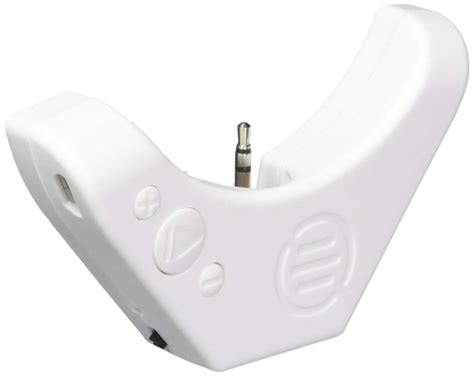
4. Source compatibility and amplification
The M50X are easy to drive from smartphones and laptops—my phone delivered enough volume for commuting. When I plugged them into a small DAC/amp at home, I heard clearer detail and slightly tighter bass, but the uplift wasn’t massive. If you already have a mid-range amp, the M50X will benefit subtly; if not, they still work very well straight from portable devices.
5. Upgrade paths and mods
One of the things I appreciated as an owner is how upgrade-friendly they are. New earpads, a headband pad, and aftermarket cables are widely available and easy to fit. I replaced the stock pads with softer ones and gained comfort without losing the signature sound—an inexpensive step that extended the usable life for me.
Practical tips from my months of use
- I recommend breaking them in gently. The clamp does relax with wear; give it a couple of weeks before judging comfort permanently.
- Try the included coiled cable at your desk and the angled short cable when commuting—each cable has a place. Keep the coiled cable for studio work to avoid pulling on your audio port.
- If you’re sensitive to high frequencies, try a gentle roll-off in the upper treble in your EQ (-1 to -2 dB around 6–10 kHz) to reduce fatigue without losing clarity.
- Consider replacing the pads if you plan multi-hour sessions. I saved money and gained comfort by doing this early.
- Store them in the semi-hard case to prevent creases in the headband and accidental cable strain—small steps that will keep them functioning well for years.
Conclusion
After using the ATH-M50X every day for months, I understand why so many people buy them. They deliver a satisfying, punchy sound that makes modern music enjoyable, while also serving well as a practical studio tool for tracking and rough mixes. The detachable cables, strong isolation, and durable build make them a practical daily driver.
They aren’t flawless—initial clamp force, the slightly thin headband padding, and a treble that can feel bright for sensitive listeners are things I noticed early on. But those are fixable: pad swaps, minor EQ adjustments, and a short break schedule for long sessions addressed most issues for me.
In my experience, the ATH-M50X offers an impressive blend of sound quality, durability, and everyday usability at a price point that makes them an easy recommendation for anyone looking for a single, reliable pair of headphones for commuting, casual mixing, and general listening. They won me over by being useful in real-world scenarios—not just stellar in a lab—and that practical versatility is why you see them everywhere.