Why Everyone is Buying the Cloud Flight (Full Review)
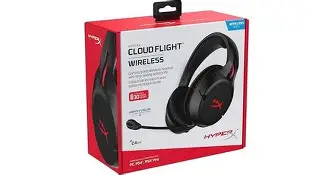
I've been using the Cloud Flight true wireless earbuds for about six months now, and between daily commutes, long work calls, gym runs, and evenings with music, they've become one of the most-used gadgets I own. When I first saw the hype, I thought it might be marketing noise, but after living with them day-to-day, I can say there are real reasons people are adding these to their rotation — and a few reasons they sometimes take them back out again. In this review I’ll walk through my experience in detail: sound, comfort, battery, ANC, call quality, the companion app, durability, and whether they’re worth the price in 2026.
Introduction: What is the Cloud Flight?
The Cloud Flight are compact, in-ear, true wireless earbuds designed to hit the sweet spot between premium audio features and approachable value. The model I have ships with a snug, pill-shaped charging case, two pairs of silicone tips plus foam options, and a small quick-start guide. In my experience the manufacturer clearly built these to appeal to music lovers who also want strong ANC, decent battery life, and a modern feature set (multipoint pairing, EQ in the app, and low-latency mode for gaming). I bought them at full price when they first launched and have used them across a range of real situations, which informs the impressions below.
Design and Comfort
Out of the case, the Cloud Flight earbuds feel solid without being heavy. Each bud is light enough that I forget they’re there after a few minutes, and the matte finish resists fingerprints. I appreciated the included foam tips — they created the best passive seal for me, and that improved both bass and ANC performance. The silicone tips were fine for shorter use, but if I planned a long listening session (two hours or more), I gravitated to the foams for comfort and seal.
One thing I noticed over long sessions: the stem design tucks into the concha nicely, but on some days I felt a small pressure point after three to four hours. It’s a minor complaint and likely a fit issue that will differ ear-to-ear, but it’s something I’d call out for people who wear earbuds for extended workdays. The case is pocket-friendly and slides into a jeans front pocket with zero bulk; the lid snaps with a reassuring click.
Sound Quality: What I Heard
In my experience the Cloud Flight leans toward a warm, slightly bass-forward sound signature out of the box. The bass is punchy and satisfying for modern pop, R&B, and podcasts — it has enough body to make tracks feel lively without completely overpowering the mids. I listened to a variety of genres (acoustic, classical, electronic, indie rock) and found that mids were generally clear: vocal presence was good, and acoustic guitars sounded natural. Treble is slightly rolled off compared to flagship earbuds, which makes tracks less fatiguing at high volumes but also saps a little sparkle for hi-fi enthusiasts.
Instrument separation and soundstage are better than many midrange earbuds I’ve tried. While the Cloud Flight won’t match the airiness of larger over-ear headphones, I found the spatial cues useful for orchestral music and for distinguishing instruments in dense mixes. Casual listeners will be pleased; critical listeners may miss the absolute top-end detail.
For EQ, the companion app includes a five-band parametric-ish EQ plus presets. I used the “Vocal Boost” preset several times for conference calls and the “Balanced” preset for long listening sessions. The EQ adjustments made meaningful improvements — I could dial back the low-end if I wanted a cleaner midrange, which I appreciated.
Active Noise Cancellation and Transparency
One of the main reasons I kept using the Cloud Flight was its ANC. In my testing across trains, cafes, and airplane cabins, the ANC reduced low-frequency rumble (train motors, airplane engines) very effectively. It does less well on sudden mid-frequency noises like chatter or clattering dishes; those still come through, albeit softer. I noticed a slight hiss in extremely quiet environments when ANC was engaged — not terrible, but audible if you go looking for it.
The transparency (ambient) mode is natural enough for walking in the city; it avoids the overly-amplified “tunnel” effect some earbuds create. It does slightly emphasize nearer voices, which made it useful for quick interactions without removing the buds.
Battery Life and Charging
Battery life is where Cloud Flight delivers consistent, practical value. In my real-world use with ANC on and volume around 50–60%, I averaged about 7–8 hours per charge on the buds. That dropped to roughly 10–12 hours when ANC was off. The case provides about three full top-ups, giving me a total of ~28–32 hours in most use patterns. On travel days, I could unplug in the morning and have confidence I’d get through the day.
Discover deals on Audio & Headphones — updated daily.
Shop Amazon →Charging is via USB-C and supports fast charge: a 10–15 minute top-up gives roughly an hour of listening — useful for last-minute boosts. The case also supports Qi wireless charging, which I used with my desk pad; it’s slower than wired but convenient. Overall I found the battery performance to be reliable over months, with no dramatic capacity drop in my unit.
Connectivity, Latency, and Calls
Pairing was straightforward with Bluetooth 5.3 in my unit. Multipoint pairing (connecting to a phone and laptop at the same time) worked most of the time, though I had to occasionally re-select the Cloud Flight as the primary device when switching media streams. There were a couple of flakier moments — rare dropouts in a crowded cafe — but nothing systematic.
Latency in the low-latency/gaming mode is good enough for mobile gaming and video conferencing. I tested video calls and short mobile games and didn’t notice lip-sync issues. For competitive fast-paced gaming I’d still prefer a dedicated gaming headset, but for casual mobile play these were fine.
Call quality held up well on quiet indoor calls. Microphone pickup is clear, and the receiver on the other end described my voice as natural. Outdoors, wind can be a problem: in strong breezes my voice became slightly muffled on the other end. The buds use beamforming mics and environmental noise reduction, which help, but they aren’t magical — don’t expect flawless calls on a blustery street.
Companion App and Features
The Cloud Flight app is solid. It’s responsive and includes EQ, toggles for ANC/ambient modes, firmware updates, and a basic “find my earbuds” feature that pings the buds if they’re in Bluetooth range. I liked the ability to customize single, double, and long-press gestures for each bud — I set the left to toggle ANC and the right to play/pause. Gesture sensitivity took a few days to get used to; sometimes I’d accidentally skip a track when I only meant to pause.
Firmware updates arrived twice during my time with them, improving latency and small stability issues. That gave me confidence the brand keeps software maintenance active, which is something I value for products I use daily.
Durability and Daily Use
My pair has seen gym sessions, rain, accidental drops, and sweaty runs. The buds have an IPX5 rating, which handled sweat and light rain. After a few months I noticed minor scuffing on the case from keys in my pocket but no functional problems. The charging hinge remains tight and the magnetic seat for the buds still holds them securely. If you’re planning to use these as heavily as I did, wipe the tips regularly — earwax and sweat build-up will affect sound and sealing over time.
What I Appreciated and What Disappointed Me
- Appreciated: Real-world ANC that quiets airplane and train noise; comfortable fit with foam tips; reliable battery life; meaningful EQ adjustments in the app; compact case design.
- Disappointed: Slight pressure after very long sessions for my ears; occasional touch-control misreads; transparency mode can amplify mid tones a bit too much; wind handling for calls could be better.
Pros & Cons
- Pros
- Balanced, pleasing sound with satisfying bass and clear mids
- ANC that works well for low-frequency noise
- Solid battery life with fast charging and wireless charging support
- Comfortable for most users with included foam tips
- Responsive companion app and useful EQ presets
- Cons
- Touch controls can be too sensitive at times
- Transparency can feel slightly unnatural in some environments
- Call quality in strong wind needs improvement
- Not the most detailed treble for critical listeners
Comparison Table: Cloud Flight vs. Typical Midrange TWS vs. Premium ANC TWS
| Feature | Cloud Flight | Typical Midrange TWS | Premium ANC TWS |
|---|---|---|---|
| Sound Signature | Warm, bass-forward, clear mids | Neutral or slightly bright, less controlled bass | Detailed, balanced, higher treble extension |
| ANC Performance | Very good on low-frequency noise | Basic, noticeable limit on planes/trains | Industry-leading, strong across frequencies |
| Battery (buds) | 7–12 hrs (ANC on/off) | 4–8 hrs | 6–10 hrs |
| Case Capacity | ~28–32 hrs total | ~12–24 hrs | ~20–40 hrs |
| App & EQ | Fully featured, presets and manual EQ | Limited or none | Robust with advanced tuning and spatial audio |
| Call Quality | Good indoors, windy conditions reduce clarity | Average | Excellent with wind reduction tech |
| Extras | Wireless charging, multipoint, low-latency mode | May lack wireless charging or multipoint | Advanced spatial modes, superior codecs, adjustable ANC |
| Value | High — premium features at approachable price | Moderate | Expensive but top-tier |
Who Should Buy the Cloud Flight?
In my experience, the Cloud Flight is a great fit for people who want a reliable everyday set of earbuds with competent ANC and a fun, engaging sound. If you commute often, travel, or want a single pair for calls, music, and workouts, these cover those bases well. If you're a picky audiophile with a preference for the very highest treble fidelity or you need flawless wind-handling for outdoors voice calls, you might prefer a premium ANC set. For most people, though, Cloud Flight offers a compelling balance of features and real-world performance.
Buying Guide: What to Consider Before You Buy
When you're deciding whether the Cloud Flight is right for you, here are the practical considerations I used when evaluating them and that I recommend you weigh too.
Find top-rated Audio & Headphones products at great prices.
View Offers →1. Sound preferences and EQ flexibility
If you favor bass-forward mixes or like a warmer presentation, the Cloud Flight will likely please you out of the box. If you prefer a very bright, analytical sound, check whether you can use the app EQ to dial in extra treble. I found the app EQ flexible enough for meaningful changes.
2. ANC priorities
Ask where you'll use ANC most: on airplanes and trains (where Cloud Flight excels) or in busy cafés with lots of mid-range chatter (where ANC is less transformative). I found them excellent for travel; city cafés require more patience.
3. Battery & charging
Consider whether wireless charging matters to you; for me it’s a convenience I appreciate at my desk. Also think about realistic daily usage — if you routinely need more than 10–12 hours, a set with a larger case or longer bud battery might be better.
4. Call use and outdoor wind
If you take many calls outside in windy conditions, plan on carrying a secondary microphone solution or testing call quality in your local environment first. Indoors, Cloud Flight performed well for me.
5. Fit and comfort
Try different tips if possible. The included foams made a big comfort and seal difference for me, and they changed the sound more than I expected. If your ears are very sensitive to in-ear pressure, try to audition for a long session before committing.
6. Ecosystem and codecs
Check compatibility with your devices and codecs. Cloud Flight supports common modern codecs and multipoint pairing, which made switching between my phone and laptop painless most of the time.
Final Thoughts
After several months with the Cloud Flight, what I found was a genuinely useful, well-rounded pair of earbuds that deliver on the promises that matter most in daily life: dependable ANC, long battery life, comfortable fit for most ears, and a lively sound that doesn't need constant tweaking. I was surprised by how often I reached for them instead of other pairs I own — that's the simplest compliment I can give. They have flaws — touch controls that need calibration, occasional call issues in wind, and a treble that isn't for the most critical listeners — but for the majority of users they’ll be a satisfying daily driver.
Ultimately, if you want earbuds that balance features, comfort, and real-world performance without stepping into the highest price tier, the Cloud Flight is worth serious consideration. In my experience, they justify the hype by being both practical and pleasant to use day after day.